Understanding the Importance of Pages for Kids
Coloring pages for kids serve as more than just a simple pastime; they play a pivotal role in childhood development. By engaging in coloring activities, children not only express their creativity but also strengthen their cognitive and emotional skills. Exploring suitable Pages for kids is essential for parents and educators to provide enriching experiences that foster developmental milestones.
What Makes Pages for Kids Essential for Development?
Coloring pages are vital for the holistic development of children. They support fine motor skills by requiring precise hand movements, which help develop the muscles in a child's hands and fingers. These skills are foundational for future writing tasks. Moreover, coloring promotes focus and concentration, as children must pay attention to the lines and details of the pages they are working on.
Key Benefits of Coloring and Creative Engagement
The benefits of engaging with coloring pages extend far beyond mere entertainment. Research suggests that creative activities, such as coloring, significantly boost children's problem-solving abilities and critical thinking skills. They also offer therapeutic benefits, providing a calming effect that can help children manage anxiety and express their emotions effectively.
How Pages for Kids Support Cognitive and Emotional Growth
Coloring activities enhance cognitive development by encouraging children to make choices about colors and designs, facilitating decision-making skills. Additionally, the process requires sequencing and planning, as children visualize their artwork before executing it. Emotionally, coloring can serve as an outlet, helping children communicate feelings that they may otherwise struggle to express verbally.
Best Practices for Selecting Pages for Kids
Choosing the right pages for kids is crucial to maximize their engagement and developmental benefits. It’s important to identify resources that cater to various age groups and interests to maintain children's enthusiasm and drive to learn.
Identifying Age-Appropriate Themes and Complexity
When selecting coloring pages, consider the age and developmental stage of your child. Younger children may benefit from simple outlines and large spaces to fill, while older children may enjoy more intricate designs that challenge their skills. Themes can also play a significant role; popular topics like animals, nature, or superheroes can captivate children's interests.
Choosing High-Quality Materials for Optimal Engagement
Utilizing high-quality coloring pages can enhance children's overall experience. Printable pages in vibrant colors and durable paper can withstand vigorous coloring without tearing. Moreover, offering a variety of coloring materials, such as crayons, markers, and colored pencils, can enrich the coloring experience, encouraging different techniques and styles.
Incorporating Educational Elements in Coloring Pages
Many coloring pages can be designed to incorporate educational elements, such as alphabet letters, numbers, or historical figures. This not only makes coloring fun but also reinforces learning in a playful manner. For instance, a coloring page depicting an animal can include facts or questions about that animal, promoting both art and education simultaneously.
Creative Ways to Use Pages for Kids
Integrating coloring into daily activities can transform routine times into creative learning opportunities. Parents and teachers alike can utilize various strategies to make the most out of coloring pages, enhancing children's experiences through interaction and collaboration.
Incorporating Coloring Pages into Daily Activities
Coloring can be seamlessly integrated into daily routines, such as morning activities, playtime, or as a calming pre-bedtime ritual. Establishing a specific coloring time can help children associate the activity with relaxation and creativity, making it a cherished part of their day.
Combining Art with Learning: Unique Activity Ideas
To foster creativity while reinforcing learning, consider combining coloring with other educational activities. For example, children can color a world map while learning about different countries or plants while discussing their ecosystems. Such integration can deepen understanding and retention of information.
Using Pages for Kids in Group Settings and Classrooms
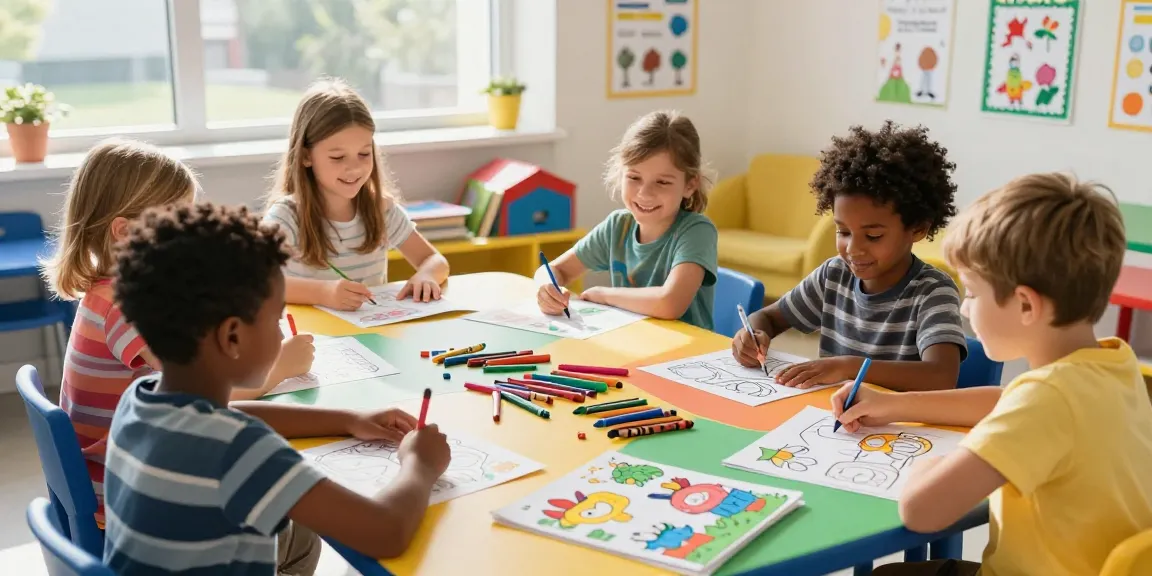
In a classroom or group setting, coloring pages can promote teamwork and social skills. Assign group projects where children collaborate to color a large mural or share coloring pages with each other. This not only builds community but also encourages peer interactions and collective problem-solving.
Future Trends in Coloring and Creative Engagement for Kids
The landscape of coloring and creative activities for children is evolving, influenced by technological advancements and changing educational practices. Staying informed about these trends is vital for parents and educators aiming to provide enriching experiences.
Technological Innovations Enhancing Coloring Experiences
With the rise of technology, many innovative tools are emerging to enhance the coloring experience. For instance, augmented reality apps allow children to view their completed coloring pages come to life, merging the physical and digital worlds. Such features can captivate children's interest and offer new dimensions of creativity.
The Rise of Interactive and Digital Coloring Pages
Interactive coloring pages are gaining popularity, allowing children to engage in dynamic coloring experiences online. Platforms featuring animated pages that respond to children's inputs can provide an exciting alternative to traditional coloring. This engagement can be particularly beneficial for tech-savvy children who are more inclined toward digital interaction.
Predictions for Children’s Creative Activities by 2026
By 2026, we can expect continued advancements in the integration of technology with traditional coloring methods. Projects that enhance collaboration—both in-person and virtually—will likely become more common, fostering a more inclusive learning environment. Furthermore, as educational paradigms shift towards more holistic approaches, coloring will be recognized not just as a fun activity but as an essential tool for cognitive and emotional development.
Frequently Asked Questions about Pages for Kids
What are the best coloring materials for kids?
The best coloring materials for kids include non-toxic crayons, colored pencils, markers, and watercolors. Each medium offers unique advantages, encouraging various techniques and styles. Opt for options that suit your child's age and preferences, ensuring a safe and enjoyable experience.
How can I encourage my child’s creativity through coloring?
To foster creativity, provide your child with a diverse selection of coloring pages and materials. Encourage them to experiment with colors, techniques, and designs, while also allowing them to express their ideas freely. Praise their efforts to build confidence and motivate further creative exploration.
Are there educational benefits to coloring for young children?
Yes, coloring provides significant educational benefits. It enhances fine motor skills, cognitive abilities, and emotional expression. Furthermore, when integrated with educational themes, coloring can help reinforce learning concepts, making it a valuable tool in early childhood education.
What themes are most popular in pages for kids?
Popular themes for coloring pages include animals, nature, outer space, fantasy characters, and popular movie themes. Selecting themes that resonate with children’s interests can enhance their engagement and enjoyment.
How can parents integrate coloring into their child's daily routine?
Parents can integrate coloring into daily routines by setting aside specific time for coloring, encouraging themed coloring sessions related to activities or events, and using coloring as a calming tool at the end of the day. By making it a regular part of their routine, children will look forward to participating.