Understanding the Desert Safari Experience
Embarking on a desert safari is an adventure that immerses you in the stunning beauty and unique challenges of desert landscapes. A desert safari is not merely a trip; it is a multifaceted experience that combines thrilling activities, cultural immersion, and natural exploration. Whether you are navigating the rolling dunes in a 4x4 vehicle or enjoying a tranquil sunset over the sands, every element adds a layer of excitement to the journey. When exploring options, slot can provide comprehensive insights into the best safari experiences available to adventurers.
What is a Desert Safari?
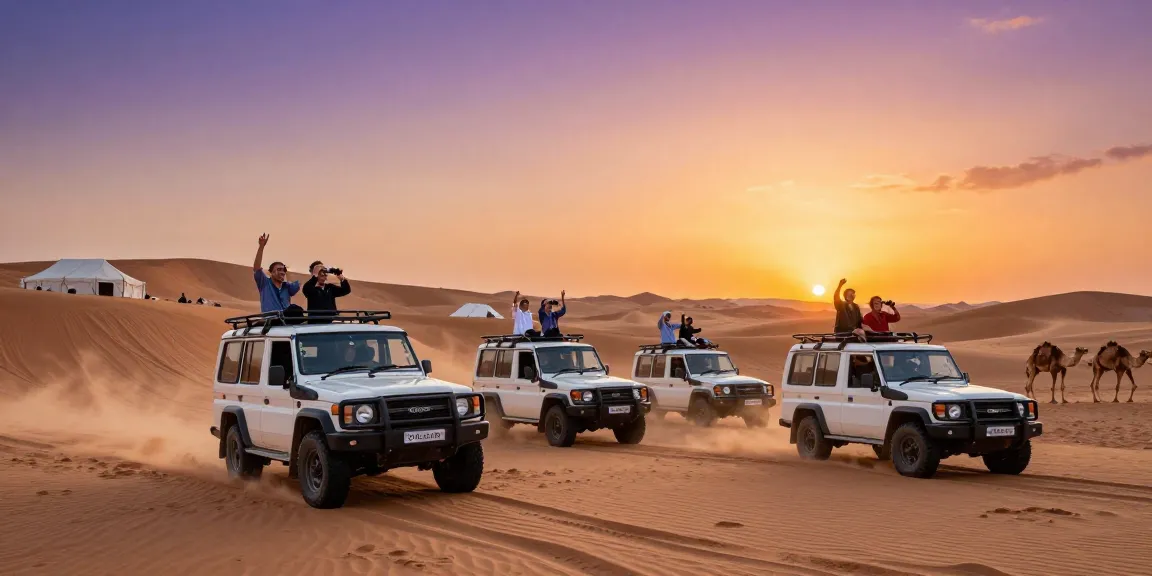
A desert safari is an organized excursion that typically takes place in arid regions, offering participants opportunities to explore vast sandy landscapes. These safaris can include activities such as dune bashing, camel rides, sandboarding, and stargazing. The allure of desert safaris lies in their capacity to blend adventure with tranquility, allowing visitors to appreciate both the thrill of exploration and the serenity of vast open spaces.
Types of Desert Safari Activities
There is a wide array of activities available on a desert safari, catering to diverse interests and adventure levels:
- Dune Bashing: An exhilarating drive across sand dunes in a 4x4 vehicle, providing a thrilling ride filled with ups and downs.
- Camel Riding: A traditional mode of transportation, camel rides allow participants to move through the desert at a leisurely pace, appreciating the surroundings.
- Sandboarding: Similar to snowboarding but on sand, this activity provides an adrenaline rush as riders glide down the slopes of dunes.
- Stargazing: The clear desert skies offer some of the best views of the night sky, perfect for astronomy enthusiasts or anyone looking to marvel at celestial sights.
Planning Your Perfect Desert Safari
Creating a memorable desert safari experience requires thoughtful planning and consideration of various factors. Understanding how to best organize your journey will ensure you make the most out of your adventure.
Choosing the Right Destination
Deserts across the globe offer unique landscapes and cultural experiences. Popular choices include the Arabian Desert in the UAE, the Sahara Desert in North Africa, and the Mojave Desert in the United States. Each location has its own charm, featuring distinct flora, fauna, and indigenous cultures to explore. Choosing a destination that aligns with your interests is crucial for an enriching experience.
Best Time of Year for Desert Safaris
Timing can greatly affect your safari experience. The best months for desert safaris typically fall between October and April when temperatures are more moderate. During the summer months, extreme heat can be uncomfortable and even hazardous, making it essential to plan your visit during a more temperate season.
Budgeting for Your Adventure
Setting a budget for your desert safari involves considering the costs of travel, accommodations, activities, and additional expenses like meals and souvenirs. Desert safaris can vary widely in price depending on the level of luxury, the type of activities included, and the duration of the trip. Researching different packages and options will help you find a safari that fits your budget while also providing a rewarding experience.
Safety Tips for a Successful Desert Safari
Safety should always be a priority when embarking on a desert safari. The desert environment presents unique challenges, and being prepared can ensure a safe and enjoyable adventure.
Understanding Desert Weather Conditions
The weather in desert regions can be unpredictable. Daytime temperatures can soar while nights can become surprisingly cool. It's essential to be aware of these fluctuations and dress accordingly, layering clothing to adapt to changing conditions.
Traveling in Groups vs. Solo
Traveling in groups offers safety in numbers, especially in remote desert areas. Group safaris can provide increased security and shared experiences, allowing participants to bond over their adventures. Conversely, solo travelers should take added precautions, ensuring they are fully equipped and aware of their surroundings.
Emergency Preparedness and First Aid
Being prepared for emergencies is vital during desert safaris. Carry a well-stocked first aid kit and familiarize yourself with potential hazards such as dehydration, sunburn, and injuries from falls. Knowing basic first aid can make a significant difference in managing unexpected situations.
Enhancing Your Safari Experience
To truly savor your desert safari, consider enriching your experience through various engagement techniques and activities.
Photography Tips for Capturing the Moment
Deserts offer stunning landscapes and unique lighting conditions that can lead to breathtaking photos. Use early morning or late afternoon light to capture the landscape's colors at their best. Carry a tripod for long exposure shots at night to capture the starry skies and consider using wide-angle lenses to include expansive desert vistas.
Engaging with Local Culture and Traditions
Participating in cultural experiences can deepen your understanding of the desert environment. Engage with local tribes to learn about their traditions, crafts, and lifestyles. This interaction not only enriches your experience but also supports the local economy and promotes cultural exchange.
Choosing the Right Food and Refreshments
Desert temperatures can be extreme, making hydration paramount. Ensure you have plenty of water and consider packing lightweight snacks that provide energy without taking up too much space. Many desert safaris also offer traditional meals, which can be an excellent opportunity to try local cuisine.
Future Trends in Desert Safari Adventures (2026 and Beyond)
The landscape of adventure tourism is continually evolving. Desert safaris are no exception, with new trends emerging that enhance the experience for travelers.
Emerging Technologies in Safari Experiences
Technology is shaping the future of travel, and desert safaris are harnessing innovations to enhance the guest experience. Virtual reality tours and augmented reality experiences can provide visitors with insights into the desert’s history and ecology. Additionally, advancements in navigation technology are improving safety and accessibility for travelers.
Eco-Friendly Practices in Desert Tourism
As sustainability becomes increasingly important, many tour operators are adopting eco-friendly practices. From eco-conscious accommodations to responsible wildlife interactions, the focus is shifting towards minimizing the environmental impact of tourism while ensuring a memorable experience.
Predictions for Adventure Travel
Looking ahead, adventure travel is expected to grow, with more people seeking unique and immersive experiences like desert safaris. The demand for personalized adventures that cater to individual preferences and interests will shape how tour operators design their offerings.
What Should I Know Before Going on a Desert Safari?
Prior to embarking on a desert safari, it is essential to familiarize yourself with the local customs and environmental conditions. Understanding the cultural practices of the regions you visit can enhance your experience and show respect for the local people.
How Can I Ensure My Safety During the Safari?
Safety during a desert safari involves understanding the environment and being properly equipped. Always travel with a reputable tour operator and inform someone of your travel plans. A knowledgeable guide can provide invaluable insights into the area and help ensure your safety.
What Type of Gear Should I Bring on a Desert Safari?
Essential gear for a desert safari includes appropriate clothing, sturdy footwear, sun protection (hats, sunglasses, and sunscreen), and sufficient hydration. A camera and binoculars can enhance your experience by allowing you to capture the scenery and wildlife.
Are There Cultural Practices to Be Aware of During Desert Safaris?
Each desert region has its own cultural norms and practices. It's important to respect local customs, especially when it comes to dress codes and interaction with local communities. Familiarizing yourself with these practices prior to your trip can enrich your cultural engagement and promote positive interactions.
What Photography Equipment is Best for Desert Landscapes?
For capturing desert landscapes, a DSLR or mirrorless camera can offer flexibility with interchangeable lenses. Wide-angle lenses are ideal for expansive shots of the dunes, while telephoto lenses can capture distant wildlife. Tripods are essential for long exposure shots, especially at night for stargazing.