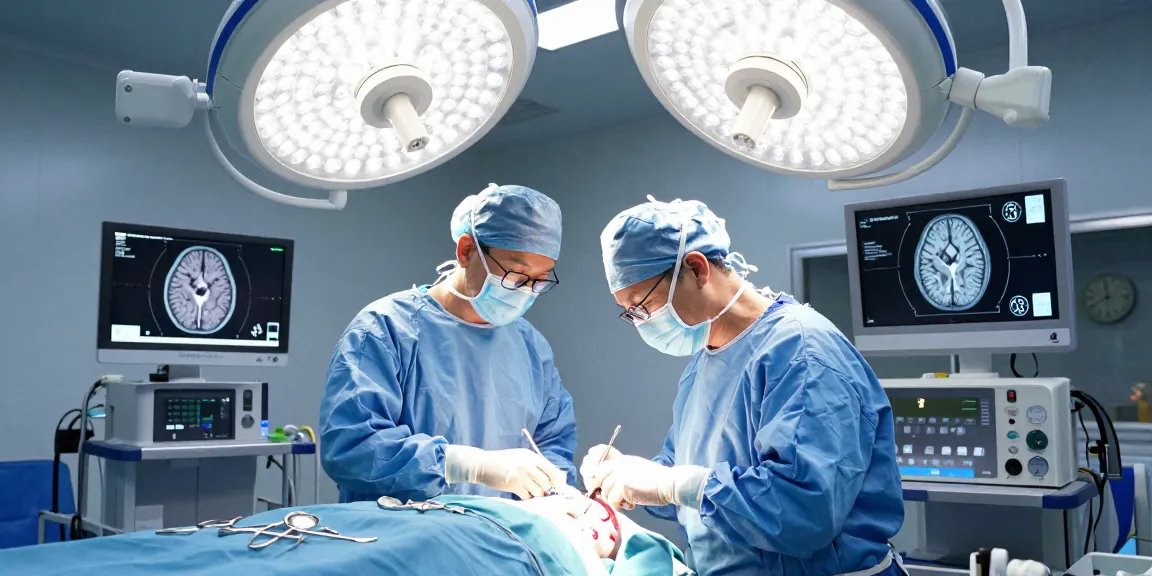
Understanding Brain Surgery: Essential Overview
Brain surgery is a complex field that not only requires advanced medical knowledge but also entails a profound understanding of various neurological conditions. As the demand for operational procedures continues to rise, it is essential for patients and their families to grasp the intricacies of brain surgeries. This article delves into various aspects of brain surgery, addressing common queries and providing detailed insights into what patients can expect pre, during, and post-operation. For a comprehensive guide, you can refer to Beyin ameliyatı resources.
What is Brain Surgery?
Brain surgery, also known as neurosurgery, encompasses surgical procedures performed on the brain to treat various medical conditions. These may include brain tumors, traumatic brain injuries, vascular malformations, and other neurological disorders. The ultimate goal of brain surgery is to alleviate symptoms, remove pathological tissues, and restore normal brain function.
Common Reasons for Brain Surgery
Patients may require brain surgery due to a variety of reasons, including but not limited to:
- Brain Tumors: Benign or malignant growths that require removal.
- Traumatic Brain Injuries: Injuries that lead to bleeding or swelling in the brain.
- Epilepsy: Severe cases that do not respond to medication may need surgical intervention.
- Subarachnoid Hemorrhage: Life-threatening bleeding in the brain that requires immediate surgery.
- Hydrocephalus: Excess cerebrospinal fluid in the brain that may require shunt placement.
Types of Brain Surgery Procedures
Brain surgery involves various techniques tailored to the specific condition being treated. Some of the most common procedures include:
- Craniotomy: The most common type of brain surgery, where a portion of the skull is removed to access the brain.
- Endoscopic Brain Surgery: A minimally invasive technique using an endoscope to remove tumors through small openings.
- Awake Brain Surgery: Performed while the patient is awake to monitor brain function in real-time, particularly for tumors near critical areas.
- Deep Brain Stimulation: A surgical treatment involving the implantation of a device that sends electrical impulses to specific brain areas.
- Ventriculoperitoneal Shunt: Used to treat hydrocephalus by draining excess cerebrospinal fluid from the brain to the abdominal cavity.
Preoperative Considerations for Brain Surgery
Patient Evaluation and Risk Assessment
Before proceeding with surgery, a thorough evaluation is conducted to assess the patient's overall health status, the extent of the neurological condition, and potential surgical risks. This typically involves detailed imaging studies such as MRI or CT scans to map brain anatomy and identify the exact nature of the condition. Additionally, doctors will consider the patient's age, medical history, and any existing conditions that could complicate surgery.
Choosing the Right Surgical Technique
After evaluating the patient's condition, the surgical team will determine the most appropriate technique. Factors influencing this decision include the tumor type, its location, and the patient's health status. Advances in technology, such as intraoperative MRI and navigation systems, have enhanced the safety and efficacy of brain surgeries.
Preparing for Surgery: Key Steps
Preparation for brain surgery includes several crucial steps:
- Preoperative Testing: Blood tests, imaging studies, and possibly neurosurgical consultations.
- Avoiding Medications: Patients may need to stop taking certain medications, especially blood thinners, leading up to the surgery.
- Patient Education: Understanding the procedure, expected outcomes, and potential complications can help alleviate anxiety and foster better cooperation.
Intraoperative Techniques in Brain Surgery
Innovative Surgical Equipment and Technology
The advent of cutting-edge technology has revolutionized brain surgery. Surgeons now have access to advanced tools such as:
- Neurosurgical Microscopes: Allow for enhanced visualization of brain structures, improving accuracy in delicate operations.
- Intraoperative MRI: Enables real-time imaging during the procedure to assess the surgical site and ensure complete tumor removal.
- Ultrasound: Used to visualize the brain's internal structures during surgery.