
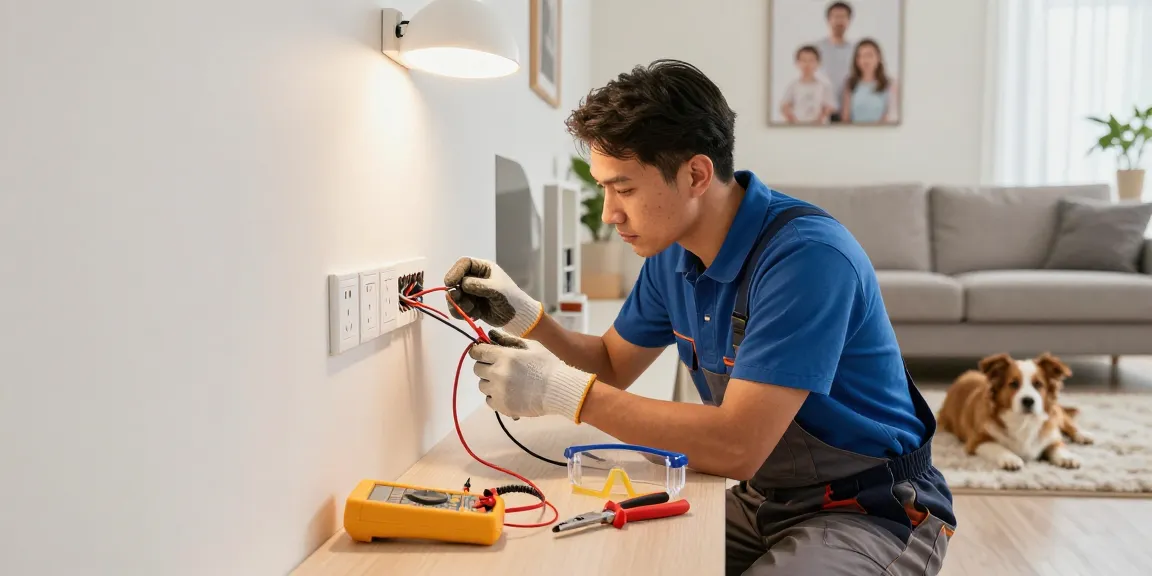
The Importance of Domestic Electricians for Home Safety
In today’s modern homes, the role of domestic electricians has become increasingly vital for ensuring safety and compliance with electrical standards. As our reliance on electrical systems grows, so does the complexity of these systems. Understanding this complexity can significantly mitigate risks associated with electrical issues. When exploring options, see more details about how domestic electricians can enhance your home’s safety.
Understanding Electrical Risks in Modern Homes
Modern homes are equipped with an array of electrical devices that enhance comfort and convenience. However, this proliferation of technology also introduces significant electrical risks. Issues such as overloaded circuits, faulty wiring, and outdated electrical panels can lead to malfunctions, fires, or even electrocution. According to the National Fire Protection Association (NFPA), electrical failures or malfunctions are the second leading cause of home structure fires. Therefore, recognizing these risks is the first step in safeguarding your home.
Roles and Responsibilities of a Domestic Electrician
Domestic electricians are highly trained professionals responsible for the installation, maintenance, and repair of electrical systems in residential settings. Their responsibilities encompass a wide range of tasks, including:
- Conducting electrical inspections to ensure compliance with safety standards.
- Installing lighting fixtures, outlets, and appliances.
- Upgrading electrical panels to accommodate increased power demands.
- Repairing faulty wiring or connections to prevent hazardous situations.
- Providing expert advice on energy-efficient solutions.
By performing these tasks, domestic electricians not only ensure the functionality of electrical systems but also enhance overall home safety.
How Domestic Electricians Enhance Household Safety
The impact of a domestic electrician goes beyond mere compliance with codes; it encompasses enhancing the overall safety of your household. By employing the latest technology and safety measures, these professionals help to:
- Implement circuit breakers and surge protectors to prevent electrical overloads.
- Ensure proper grounding of electrical systems to protect against surges.
- Install smoke detectors and carbon monoxide alarms connected to electrical systems for timely alerts.
- Provide guidance on the safe use of electrical appliances.
Their expertise can significantly reduce the risks associated with electrical hazards, making your home a safer place for you and your family.
Common Electrical Issues and Their Solutions
Identifying Warning Signs of Electrical Problems
Being able to identify early warning signs of electrical problems can save homeowners from potential hazards and costly repairs. Some common indicators include:
- Frequent tripped circuit breakers.
- Flickering or dimming lights.
- Burning smells or scorch marks around outlets.
- Buzzing sounds from electrical devices.
- Warm or hot outlets and switches.
If you notice any of these signs, it’s essential to contact a domestic electrician immediately for inspection and remediation.
Preventative Measures to Avoid Electrical Hazards
Prevention is key to maintaining electrical safety in the home. Here are some effective measures homeowners can implement:
- Regularly inspect electrical cords for fraying or damage.
- Keep flammable materials away from electrical outlets and cords.
- Use surge protectors to safeguard devices from power spikes.
- Schedule routine electrical inspections with a qualified electrician.
These proactive steps can help mitigate risks and extend the lifespan of your electrical systems.
Emergency Response Plans for Electrical Failures
Every household should have an emergency response plan in place for electrical failures. This plan should include:
- Knowledge of how to safely shut off power to the home.
- Emergency contacts for local electricians.
- Instructions on how to respond to various electrical emergencies, such as fires or shocks.
Being prepared can significantly reduce panic and confusion during an emergency, ensuring a swift response to protect lives and property.
Best Practices for Hiring a Qualified Electrician
What to Look for in an Electrical Contractor
Choosing the right electrician is crucial for ensuring the safety and integrity of your home’s electrical systems. Here are important factors to consider:
- Experience and expertise in residential electrical work.
- Positive reviews and testimonials from previous clients.
- Clear communication and willingness to answer questions.
- Detailed estimates that outline the scope of the work.
Taking the time to research and choose a qualified electrician can save you from future electrical issues.
Importance of Licensing and Insurance
Always verify that your electrician is licensed and insured. A valid license demonstrates that they have met the required training standards and understand local electrical codes. Insurance protects you from liability in case of accidents or damages during the project. Asking for proof of both before hiring is a crucial step in the selection process.
Questions to Ask During Consultations
During your consultation with potential electricians, consider asking the following questions to gauge their suitability:
- What types of electrical work are you most experienced with?
- Can you provide references from recent clients?
- What will be the estimated time frame for completing the project?
- Do you offer any warranties on your work?
The responses you receive can provide valuable insights into their professionalism and reliability.
Innovative Electrical Technology for Home Security
Smart Home Devices and Energy Efficiency
The integration of smart home technology has transformed electrical safety and energy efficiency. Devices such as smart thermostats, automated lighting, and security systems can be controlled remotely, allowing homeowners to monitor and manage their electricity usage effectively. By investing in these technologies, you not only enhance the comfort of your home but also make it safer.
Leveraging IoT for Enhanced Home Safety
The Internet of Things (IoT) has opened new avenues for home safety. Smart sensors can detect issues like water leaks, smoke, or carbon monoxide and alert homeowners via smartphones. This proactive approach to safety minimizes risks and ensures timely responses to potential hazards.
Future Trends in Home Electrical Systems by 2026
As technology evolves, so too will home electrical systems. By 2026, we can expect advancements such as:
- Increased adoption of renewable energy sources like solar panels.
- Widespread use of battery storage systems for energy management.
- Enhanced connectivity of home devices for smarter living.
- Implementation of advanced safety features in electrical installations.
Staying informed about these trends can help homeowners make educated decisions regarding upgrades and safety measures.
Maintaining Electric Systems for Long-Term Safety
Regular Inspection and Maintenance Schedules
Regular inspections and maintenance of electrical systems are essential for long-term safety. Homeowners should schedule professional inspections at least every five years or sooner, depending on the age and condition of their systems. These inspections help identify potential issues before they become significant problems.
Updating Outdated Electrical Systems
As technology advances, so do the demands on electrical systems. Outdated wiring, insufficient amperage, and old panels can pose substantial safety risks. Updating these systems is not just a matter of compliance; it’s a critical step toward ensuring the safety and efficiency of your home.
Importance of Homeowner Education on Electrical Safety
Homeowners play a crucial role in maintaining electrical safety. Educating yourself and your family about basic electrical safety tips, such as how to use outlets safely and recognizing signs of electrical problems, can significantly reduce risks.
What electrical code should homeowners follow?
Homeowners should adhere to the National Electrical Code (NEC) and local building codes, which provide guidelines to ensure safety in electrical installations. Compliance with these regulations is crucial for reducing risks associated with electrical systems.
How often should electrical systems be inspected?
It’s advisable to have electrical systems inspected at least every five years. However, older homes or those with noticeable electrical problems may require more frequent inspections. Regular checks can help catch issues before they escalate.
What are the signs of a faulty electrical installation?
Signs of faulty electrical installations include frequent circuit breaker trips, flickering lights, and unusual smells or sounds from outlets. Homeowners should not ignore these warning signs and should consult a domestic electrician promptly.
How can homeowners prepare for electrical emergencies?
Preparation for electrical emergencies involves creating a plan that includes knowing how to shut off power, having an emergency contact list of qualified electricians, and ensuring all family members are aware of safety protocols.
What certifications should a domestic electrician have?
Domestic electricians should hold valid state licenses, and additional certifications from recognized organizations can further validate their expertise. Common certifications may include those from the National Institute for Certification in Engineering Technologies (NICET) and other relevant bodies.


